
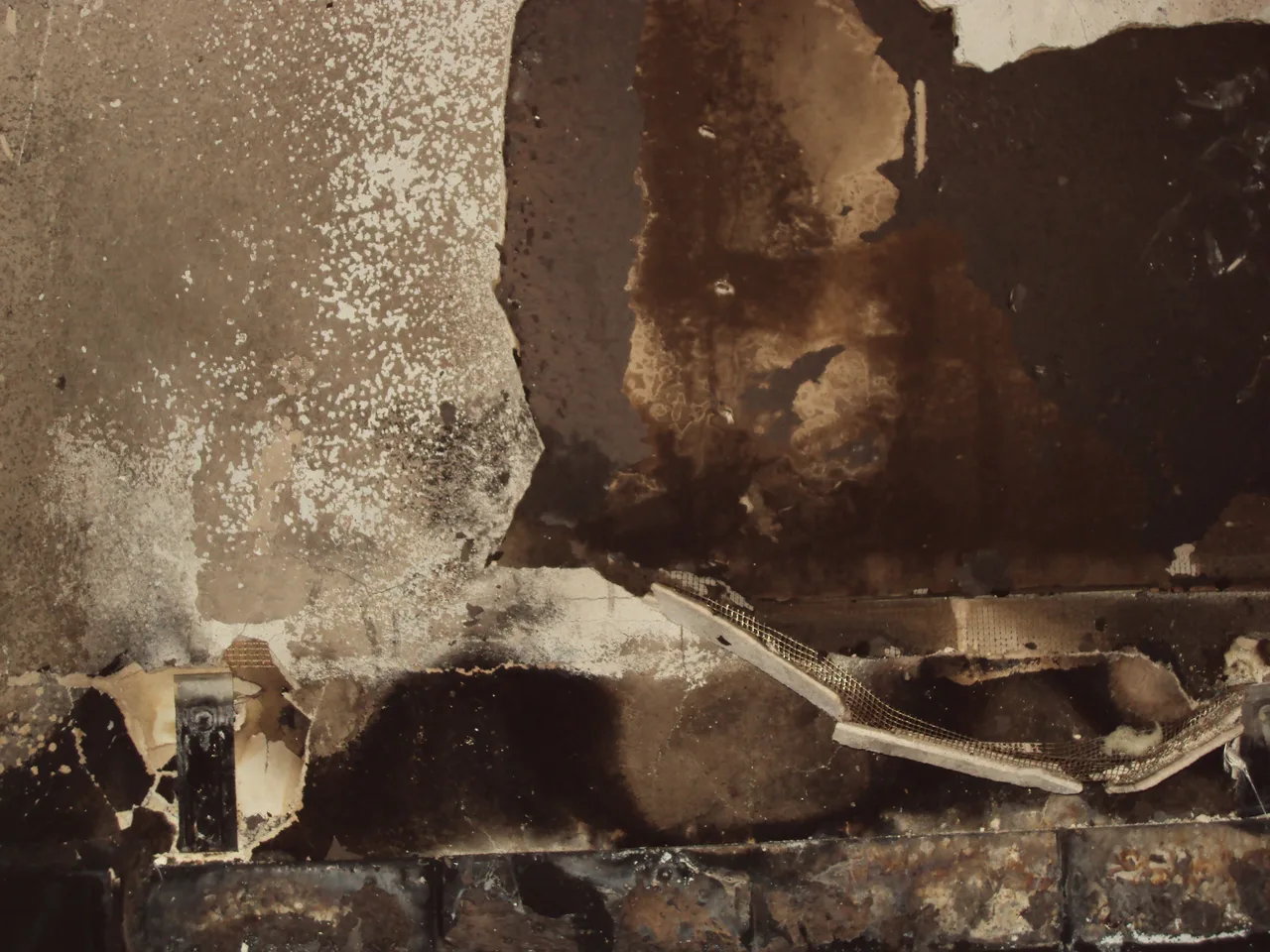
Describe spread without disturbing residue
State where the fire occurred, which doors were open and where residue or odor is noticeable from a safe location. Do not wipe soot or use household equipment to investigate hidden areas. Cleaning methods depend on the material and condition; a photograph cannot determine the correct treatment.
Ask for surface and contents boundaries
Compare walls, ceilings, cabinets, textiles and belongings separately in the proposal. Ask how the business protects unaffected areas and handles ventilation-system questions. An inspection of equipment is different from cleaning accessible room surfaces; clarify which qualified trade is responsible for each.
Agree on acceptance before work begins
Ask how cleaning is evaluated and how remaining odor or stains are addressed. Repainting is not the same as documenting residue removal. Keep the findings and exclusions so later cosmetic work does not hide an unanswered condition question.
Prepare the next step
Use the first-steps checklist and estimate comparison guide to keep your observations and questions organized.
- Entry permissionResponsible authority sets access limits.
- AssessmentBusiness records rooms, materials and work limits.
- Written scopeYou clarify charges, exclusions and approvals.
- Completion recordsKeep findings before the rebuilding handoff.